Full refund if you are not approved. Prescriptions are issued only if a licensed provider determines treatment is appropriate for you.
How it works
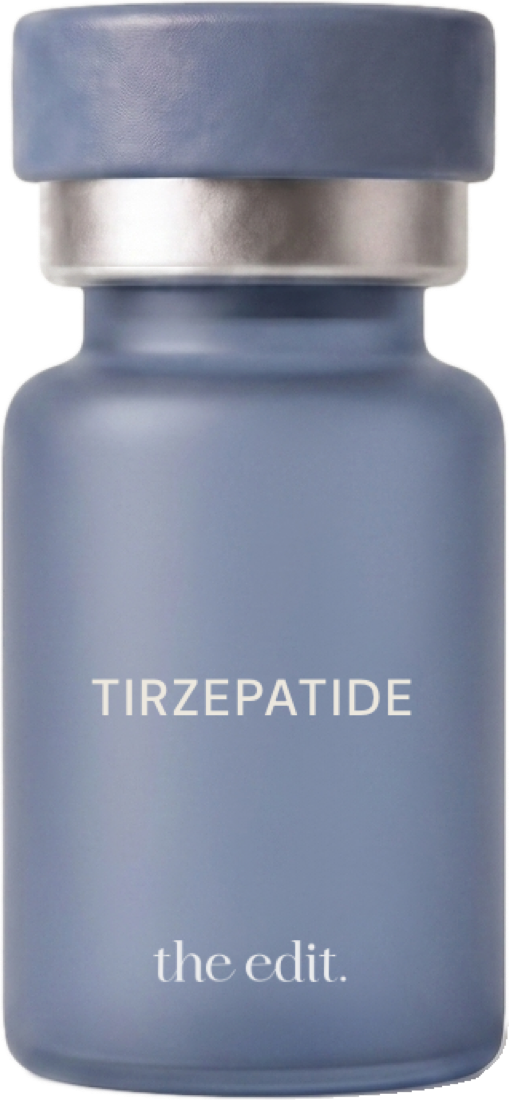
Tirzepatide is a dual-action medication that works with two hormones your body produces naturally, GLP-1 and GIP, involved in appetite regulation, blood sugar, and metabolism. A clinically supervised tirzepatide protocol is prescribed and dosed by a licensed medical provider.
Choose your plan.
1 month · Cancel anytime · $349 · $349 / month
3 months · $855 · $285 / month
6 months · Best value · $1,575 · $263 / month
Same price at every dose. No membership fee, cancel anytime.
Three- and six-month plans are billed once at the start of the plan.
Benefits
Weight management
May help support weight management alongside nutrition and activity.
Appetite support
May help reduce appetite and cravings.
Blood sugar support
May help support blood sugar regulation.
Metabolic support
May help support metabolic health as part of a clinician-guided plan.
For people done fighting their appetite.
Who it's for
Willpower has failed you. You've lost and regained the same weight through diets that rely on discipline alone.
Loud food noise. Constant thoughts about food and cravings that make eating less exhausting.
Metabolic goals. Working on weight, blood sugar, or overall metabolic health with clinical support.
Want it done right. You want a clinician titrating your dose and watching for side effects, not a vending machine.
Common questions.
How does it work?
Tirzepatide reinforces two gut-hormone signals at once. GLP-1 tells your brain you've had enough and slows stomach emptying; GIP is involved in blood sugar and fat metabolism. Acting on both is why many providers consider it the more comprehensive option.
Tirzepatide or semaglutide?
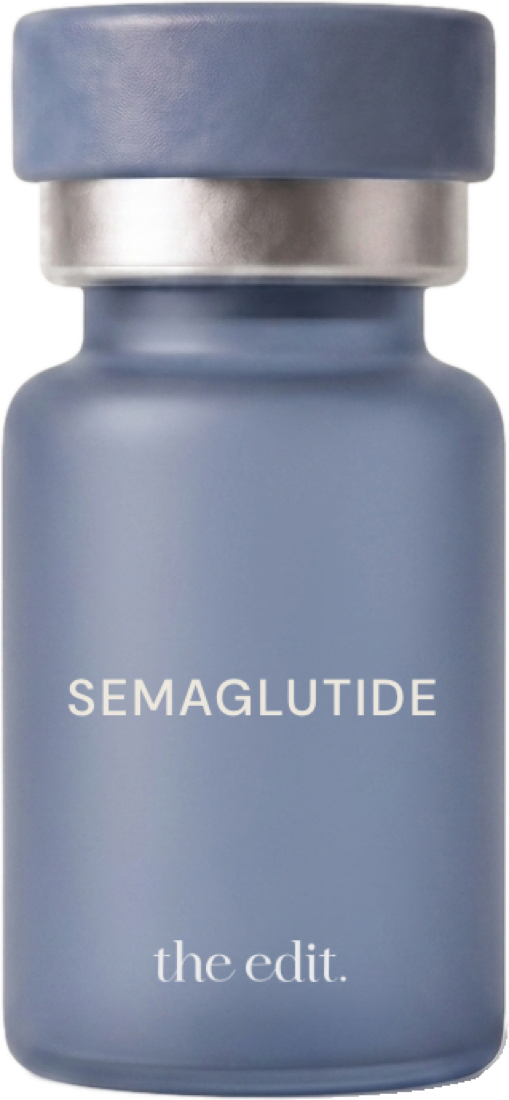
Both are once-weekly injections that quiet appetite. Semaglutide works on the single GLP-1 pathway; tirzepatide acts on GLP-1 and GIP together. Your clinician recommends the option that fits your health history and goals. Compare them side by side below.
Potential side effects
Nausea, reduced appetite, or digestive changes are common, especially as your dose steps up. Your clinician reviews your health history before prescribing.
Who should avoid it?
Tirzepatide isn't for everyone. If you're pregnant or nursing, or have a personal or family history of certain thyroid cancers or pancreatitis, it may not be appropriate. Your clinician screens for this before prescribing.
How to take it.
A small subcutaneous injection you give yourself once a week. You start low and step up under your clinician's guidance. Here's how, step by step.
Wash your hands
Scrub with soap and warm water for at least 20 seconds, then dry with a clean towel.
Prep the vial
Let the vial reach room temperature, wipe the rubber top with an alcohol swab, and check that the liquid is clear.
Prep the site
Wipe your chosen site with an alcohol swab and let it dry. Rotate between these subcutaneous sites:
Abdomen, 2 inches from the navel
Outer thigh
Back of the upper arm
Upper glute
Draw your dose
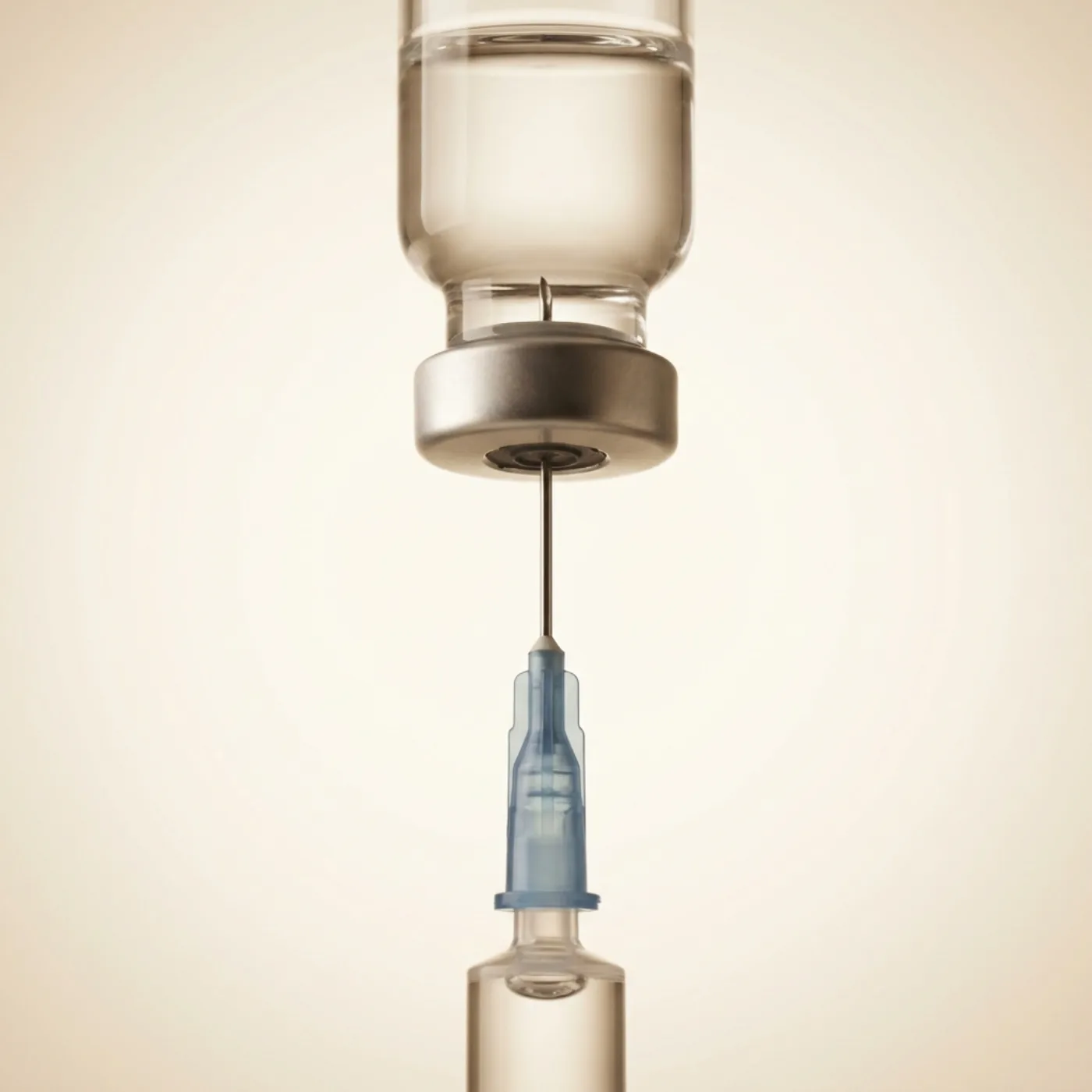
Draw your prescribed dose into the syringe, tap out any air bubbles, and double-check the amount.
Inject
Pinch a fold of skin and insert the needle at the angle in your instructions, usually 45 to 90 degrees. Press the plunger slowly, then drop the needle straight into a sharps container.
Tirzepatide is a dual-action medication that works with two hormones your body produces naturally, GLP-1 and GIP, involved in appetite regulation, blood sugar, and metabolism. A clinically supervised tirzepatide protocol is prescribed and dosed by a licensed medical provider.
Tirzepatide reinforces two gut-hormone signals at once. GLP-1 tells your brain you've had enough and slows stomach emptying; GIP is involved in blood sugar and fat metabolism. Acting on both is why many providers consider it the more comprehensive option.
Both are once-weekly injections that quiet appetite. Semaglutide works on the single GLP-1 pathway; tirzepatide acts on GLP-1 and GIP together. Your clinician recommends the option that fits your health history and goals. Compare them side by side below.
Nausea, reduced appetite, or digestive changes are common, especially as your dose steps up. Your clinician reviews your health history before prescribing.
Tirzepatide isn't for everyone. If you're pregnant or nursing, or have a personal or family history of certain thyroid cancers or pancreatitis, it may not be appropriate. Your clinician screens for this before prescribing.
Pricing
Choose your plan.
Same price at every dose. No membership fee, cancel anytime.
1 monthCancel anytime$349$349 / month
3 months$855$285 / month
6 monthsBest value$1,575$263 / month
Three- and six-month plans are billed once at the start of the plan.
Who it's for
Who it's for
For people done fighting their appetite.
Willpower has failed you. You've lost and regained the same weight through diets that rely on discipline alone.
Loud food noise. Constant thoughts about food and cravings that make eating less exhausting.
Metabolic goals. Working on weight, blood sugar, or overall metabolic health with clinical support.
Want it done right. You want a clinician titrating your dose and watching for side effects, not a vending machine.
Benefits
Benefits
What it gives back.
Weight management
May help support weight management alongside nutrition and activity.
Appetite support
May help reduce appetite and cravings.
Blood sugar support
May help support blood sugar regulation.
Metabolic support
May help support metabolic health as part of a clinician-guided plan.
How to take it
Getting started
How to take it.
A small subcutaneous injection you give yourself once a week. You start low and step up under your clinician's guidance. Here's how, step by step.
Step 1
Wash your hands
Tap card for more details
Step 1
Wash your hands
Scrub with soap and warm water for at least 20 seconds, then dry with a clean towel.
Step 2
Prep the vial
Tap card for more details
Step 2
Prep the vial
Let the vial reach room temperature, wipe the rubber top with an alcohol swab, and check that the liquid is clear.
Step 3
Prep the site
Tap card for more details
Step 3
Prep the site
Wipe your chosen site with an alcohol swab and let it dry. Rotate between these subcutaneous sites:
Abdomen, 2 inches from the navel
Outer thigh
Back of the upper arm
Upper glute
Step 4
Draw your dose
Tap card for more details
Step 4
Draw your dose
Draw your prescribed dose into the syringe, tap out any air bubbles, and double-check the amount.
Step 5
Inject
Tap card for more details
Step 5
Inject
Pinch a fold of skin and insert the needle at the angle in your instructions, usually 45 to 90 degrees. Press the plunger slowly, then drop the needle straight into a sharps container.
FAQ
Common questions.
Find out more about Tirzepatide.
Tirzepatide reinforces two gut-hormone signals at once. GLP-1 tells your brain you've had enough and slows stomach emptying; GIP is involved in blood sugar and fat metabolism. Acting on both is why many providers consider it the more comprehensive option.
Both are once-weekly injections that quiet appetite. Semaglutide works on the single GLP-1 pathway; tirzepatide acts on GLP-1 and GIP together. Your clinician recommends the option that fits your health history and goals. Compare them side by side below.
Nausea, reduced appetite, or digestive changes are common, especially as your dose steps up. Your clinician reviews your health history before prescribing.
Tirzepatide isn't for everyone. If you're pregnant or nursing, or have a personal or family history of certain thyroid cancers or pancreatitis, it may not be appropriate. Your clinician screens for this before prescribing.
$300 your first month, then $349 / month. Clinician review, your prescription if appropriate, ongoing adjustments, and refills, shipped cold-chain to your door.
Important safety information. Compounded medications are not FDA-approved. FDA does not verify their safety, effectiveness, or quality before they are marketed.